Regular, predictable time with equines changes individuals. Not overnight, not in one enchanting session, but in the peaceful rhythm of showing up week after week. The barn scents the exact same, the gravel grinds the same, and a gelding that enjoyed you from the far fencing last Tuesday satisfies you at the gate this Tuesday. That sort of uniformity is where healing horsemanship and other equine-assisted solutions radiate. The job is experiential and somatic, grounded in today minute, however the actual payoff shows up in patterns. Worried hands soften. Breathing slows down. Attention broadens. Boundaries come to be clearer, kinder, and firmer.
I have watched teenagers with ADHD arrange their technique to tacking without a prompt after 8 weeks of method. I have walked next to adults that start a session with chest-tight anxiety and finish tall, shoulders unlocked, breath also. I have actually stood with parents who sob silently when their autistic youngster starts a grooming sequence, waits on an equine to change weight, and then beams when the hoof lands gently in their palm. None of it is a trick. It is the outcome of well-structured equine-assisted activities, kept in a consistent container, throughout seasons.
Why constant weekly work adjustments outcomes
Horses respond truthfully to what is in front of them, not to what we suggested to do. That feedback loophole educates self-awareness faster than talks. The nerves additionally likes repetition. Somatic healing with equines builds on this reality, using easy, repeatable experiences to enhance regulation. When an individual techniques stopping at a cone, pausing to check for the equine's ear flick or eye blink, then exhaling before requesting for a progression, the body discovers that series. Executive feature, impulse control, and sensory modulation all take advantage of rehearsal in a living atmosphere that additionally really feels meaningful.
One-off experiences bring insight and are great for intros or company spirits. For actions adjustment, the nervous system requires progressive direct exposure, time in the saddle or on the lead, and possibilities to stop working securely and try once more. Weekly sessions, specifically in 8 to 12 week arcs, provide room for micro-adjustments. You can scale tasks up or down, repair ruptures, and celebrate small success that would certainly be unseen in a single intensive.
What a session actually looks like
Visitors usually anticipate continuously riding. In reality, equine-assisted services consist of a range: foundation, grooming, obstacle work, installed job, and reflective combination. The equilibrium depends on goals, climate, and the individual's nerves on that day.
An usual 60 minute therapeutic horsemanship session for a youth with attention challenges might flow such as this. The very first 5 minutes at the rail check in on sleep, school, and power, then co-create a 2 line plan. Fifteen minutes of brushing follows, with a focus on sequencing, bilateral activity, and relational understanding: curry in https://knoxntkc319.tearosediner.net/picking-up-security-alternative-treatment-for-sensory-difficulties-with-horses circles, inspect the eye, switch sides, notice when the horse shifts. Ten minutes of leading teaches timing. We might exercise stop-start, backing three steps, or weaving cones with tidy turns. If placed work fits the goals and approval is clear from both rider and horse, we invest twenty minutes at walk with transitions, posting technique, or path patterns. The last 10 minutes assess what altered, after that return the steed to the paddock with a cool-down stroll and a final say thanks to you.
Equine-assisted mentoring for grownups or teams often utilizes foundation just. You might set a boundary exercise, such as sending a steed through a chute without tipping inside the rails yourself. Or develop a group structure with steeds challenge where pairs lead two steeds with various obstacles while keeping a concurred range and pace. The debrief links barn choices to office habits.
The horse as co-facilitator, not a tool
Good programs treat steeds as companions with firm. That is not emotional. It is sensible and honest. Horses are victim pets with large sensory transmission capacity. They pick up micro-tension, breath patterns, and intent. If we pay attention, they come to be specific mirrors, not judges. A mare who leaves each time an individual tenses is not being tough. She is giving the kindest feasible comments about congruence.
We develop sessions that appreciate this. Equines can decline a demand or deal approval signals that we recognize. We turn work, fit tack thoroughly, and handle herd characteristics so the equine at the workplace is emotionally available. Weekly schedules spread out work across the herd and keep people fresh. On warm weeks, we reduce strengths or pivot to shaded foundation. In winter season, we select much shorter mounted collections with longer workouts to safeguard joints.
A year-round schedule that maintains momentum
Consistency across periods is where lots of families stumble. School starts, daytime diminishes, mud shows up, and the routine liquifies. With a functional year-round design, you can maintain equine-assisted solutions without burnout.
Spring welcomes new objectives. Steeds shed, energy increases, and exterior room opens up. We examine winter season accomplishments and add one or two fresh difficulties, like a sensory lane with wind chimes and tarps for an Alternative therapy for sensory obstacles track. Springtime also brings allergy factors to consider and slick ground on thaw days, so we plan much shorter trots, even more walk posts, and extra time for pasture returns.
Summer extends sessions. Early mornings or nights prevent warm. For ADHD equine learning support, this is a strong period to broaden jobs: multi-step barn tasks, placed trail loops, and timed yet pressure-light video games that award sequencing over speed. Hydration and color issue. Equines require salt, day of rest, and fly protection. Above heat index days, we move to fan-cooled pet grooming bays and breath collaborate with hay internet in sight to keep inspiration high while staying safe.
Autumn concentrates. Routines return with college, and we make use of the structure. Arena work sharpens, patterns come to be extra accurate, and sensory lots is modest with fewer pests and milder temperature levels. Fall is likewise my favored season for equine-facilitated health sessions that blend mindfulness, long-line leading, and pasture monitoring of herd habits. Participants discover to detect subtle communications, like a tail swish that means action, or a triangle of area provided to a lower-ranking gelding.
Winter shows persistence and body care. Placed job might reduce to windows of fair footing, yet groundwork can prosper. We do more interior or sheltered sessions, liberty operate in small pens, and slow, thoughtful exercises that build stance and balance. Grooming ends up being meditative heat, with attention to skin, ears, and unguis. Somatic recovery with horses in winter leans into breath, rhythm, and co-regulation. Nobody is in a thrill, and truthful remainder counts as progress.
Case sketches from the rail
A center schooler with a combined discussion of ADHD got here tight-jawed and late most weeks, talking fast, shoes unknoted, knapsack askew. The very first month, sessions focused on foreseeable bookends: hang knapsack on the very same hook, say hello by name to the exact same two horses, examine the whiteboard for the strategy. Grooming tools lived in a caddy in a dealt with order, and he returned each item before carrying on. By week six, he launched the series without cueing. By week eight, he asked to upload at the trot, a much more intricate electric motor job. His class educator reported a moderate but actual decrease in missing out on tasks, from seven in September to three in October. At the barn, he relocated from verbal impulsivity to waiting a complete breath after a horse's ear flick prior to giving his following cue.
A nine years of age in an autism equine discovering program invested the first numerous sessions just enjoying the herd. We maintained pressure reduced. He liked duplicating the exact same path to the exact same mare, standing with one hand on the fencing blog post. On week 4, we added a sensory trail with crispy fallen leaves and a reduced bridge. He pushed his hands on the bridge plank, taken a breath out, then led the mare over in two careful steps. The change was a shiver with both bodies. After that, he exercised stops with the bridge as his reset point. Two months later, his occupational therapist kept in mind boosted tolerance for shifts in school, particularly when a foreseeable sensory anchor was offered.
A 32 year old with high baseline stress and anxiety wanted equine-assisted coaching to stop cold throughout presentations. We focused on foundation. She practiced asking a consistent gelding to back 3 steps, after that pause, then yield hindquarters one step. The series was intentionally short. When her breath drawback returned, the gelding elevated his head a hair. She learned to grin a little at that sign, breathe out, lower her hands, and ask once again. By session 10, she might hold leisure with a much longer pattern. She reported her heart rate in meetings dropped from the 120s to the 80s, confirmed by her smartwatch.
A teen with sensory processing obstacles dreaded loud sectors. We built tolerance in slim slices. Outside of lessons, we did 5 min strolls near the sector door, then inside with ear defense, after that two cones in sight, after that a lead stroll while one cyclist trotted in a corner. The program really felt boring theoretically. In practice, she gained skill in seeing bewilder before it surged. That is the essence of anxiousness support with horses: not brute-forcing direct exposure, however checking out straightforward signals and adjusting with dignity.
Skills that take a trip home
Equine-assisted activities resemble equine tasks. Beneath that surface, they grow skills that stick away from the barn. Leading a horse off the shoulder at a stroll trains pace control and spatial borders, beneficial in congested corridors. Cleaning hooves needs bilateral coordination, accurate positioning, and patience. Installing needs a checklist in a clear order, which maps straight onto packing a knapsack or preparing for a conference. Experiential understanding with steeds builds meta-skills, not trivia.
Somatic devices end up being muscular tissue memory. Individuals learn to scan field of vision, drop their shoulders, and infuse the tummy since a horse's lick and chew tells them they hit the ideal note. Over months, those hints swap to interior ones. That is the handoff we desire: from outside psychophysiological feedback to long lasting self-regulation.
Coaching for leaders and teams
Equine-facilitated coaching is often dismissed as a depend on loss with hay. The major programs do not go after theatrics. They set up tasks that reveal default patterns, after that support clean experiments. In a team structure with equines context, one group could uncover that three exhibitionists give hints at the same time, perplexing the horse and each various other. The horse stands still, ears flicking in between voices. With advice, they agree on a lead and a time-bound plan. The steed follows within secs. The debrief is sober and concrete: share airtime, define duties, maintain the ask simple.
The actual benefit of repeating work is carryover. Quarterly or month-to-month follow-ups defeat one-off offsites. Leaders bring online projects, run a barn job with the same interaction patterns, and entrust to 1 or 2 certain changes to check Monday morning. Over a year, cohesion expands in measurable methods, like reduced conference times or faster decisions at stuck points.
Safety, scope, and good judgment
Not every barn is a center. That is great. It does imply we require clarity. Restorative horsemanship concentrates on horsemanship skills taught with adjustments that sustain growth and well-being. It is not psychological wellness treatment. Equine-assisted solutions is a more comprehensive umbrella that can include equine-assisted psychotherapy when a certified medical professional companions with an equine specialist. Programs need to be clear concerning qualifications, guidance, and restrictions. Family members deserve to know when a referral to a mental health and wellness therapist is appropriate.
We have tough lines on safety and security. Safety helmets for mounted job and typically for foundation with youth. Clear quit words. Approval from steed and human. Weather condition calls that err on caution. An excellent sector guideline is to examine danger each 10 minutes and act early. The price of rescheduling is lower than the cost of pushing via a warning, whether that is a horse's limited jaw or a participant's dissociation.
A basic means to maintain weekly sessions sustainable
The hardest part of consistency is logistics, not motivation. Borrow from sporting activities. Put barn time on the family schedule and safeguard it like a game.
- Choose a time you can protect 80 percent of the year, not a perfect slot for a solitary season. Prepare a barn bag that obeys the door with boots, rain coat, handwear covers, and a snack. Build a short pre-lesson routine: restroom, water, 3 deep breaths in the automobile, then go. Pair the drive with a fulfilling behavior, like a favorite playlist or audiobook chapter. If you have to avoid a week, timetable a same-week touchpoint, even a 15 minute foundation check-in, to maintain the groove.
Measuring progression without missing the point
Data assists. Excellence eliminates joy. We track a small number of signs and review month-to-month. For a youth in ADHD equine discovering assistance, we might count the number of grooming devices return to the caddy without prompts, or how many seconds pass in between a cue and a steed's response. For anxiousness assistance with horses, we may log pre and post session breath rate, or request for a 1 to 10 ranking of distress at 3 points during the session. Teachers and caretakers can share identical notes: less missing assignments, less early morning conflict, calmer bedtimes. If a number issues, it is since it relates to a lived outcome.
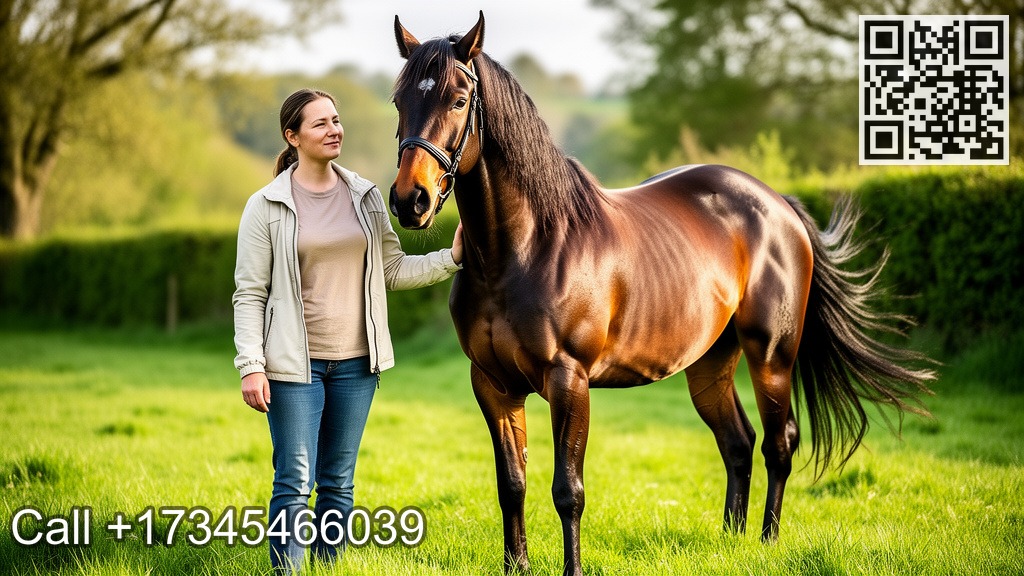
At the barn, we also accumulate qualitative notes. Did the individual notification and verbalize a steed's signal properly? Did they fix an error without spiraling right into pity? Those flags frequently forecast durable modification better than a stop-watch alone.
Caring for the equines through the seasons
Consistent services just work if the horses thrive. That needs preparation. We build a herd with different dimensions, ages, and gaits so we can match horses to goals and revolve work. A calm gelding is not a default novice horse, and a sensitive mare is not off-limits to new individuals. We assume in weeks and months, not just daily timetables. A horse that works three sessions Tuesday might get Wednesday off or a trail stroll only, after that a light Friday. In summertime, we track heat anxiety indications and change by degree, not by blowing. In winter season, we enable added workout time and miss collected work on icy ground.
Conditioning issues. Steeds remain audio with diverse surface areas, hill work, ground poles, and days that are simply easy. Mental health and wellness issues also. Turnover with a suitable herd is non-negotiable. We allowed steeds say no and we pay attention. A steed who pins ears at the placing block gets a vet check, a saddle fit check, and a workload testimonial prior to returning to work.
Common hurdles and workable fixes
Weather is the obvious villain. A covered sector helps, however not all programs have one. Imagination bridges the void. On mud days, foundation in a barn aisle can be richer than a sloppy loop in the sector. Usage cones for little problems, teach a two step back and a bend, or set up a mini sensory trail with a tarp and a wind sock.
Transportation stops working. Companion family members or ride shares with background checks can minimize terminations. Deal occasional digital check-ins when travel breaks. The individual can practice breathing, visualization, and a gear talk-through with a curry comb at home, then return following week with less rust.
Motivation dips around weeks five to seven in several programs. Prepare for it. This is where small, noticeable victories maintain momentum. Present a new but possible pattern, movie a short phone video to examine development, or invite a caregiver to view the last five minutes and share a genuine observation.
The initially 4 weeks, up close
If you are brand-new to equine-assisted activities, the early arc sets tone and count on. Here is a practical move path.
- Week 1: Fulfill the herd, trip the area, method barn regulations by doing, not lecturing. Touch brushing devices, lead in short lines, discover the stop hint. No rush to install, also if riding is a future goal. Week 2: Add a straightforward series with selection. 2 grooming devices, then one leading job, after that a breath check at the installing block. If riding, place for five minutes of walk with huge loops, dismount early to finish with success. Week 3: Layer intricacy delicately. Present a brand-new obstacle or a new area of the residential property. Practice noticing horse signals out loud. Maintain debrief brief and certain, with one takeaway tied to life outside the arena. Week 4: Settle. Repeat the series much more cleanly, include one small challenge like a halt-to-back shift, and celebrate a moment of co-regulation, whether that is a yawn, lick and eat, or a human sigh and shoulder drop.
By the end of the very first month, many participants have a map in their body. They recognize where to hang their bag, where to locate the curry comb, and just how to ask an equine to quit with clearness. They might not name it, however their nervous system has actually begun to rely on the space.
Where equine-assisted services fit with various other supports
Horses are not a treatment. They are a powerful context for practicing skills that lots of people battle to learn in abstract settings. Set equine-assisted mentoring with talk therapy when deep handling is required. Combine an autism equine learning program with school-based assistances so that brand-new abilities have areas to land. For sensory challenges, coordinate with a physical therapist to identify corresponding goals, like heavy service barn duties and accurate hand positionings throughout brushing to sustain proprioception.
The ideal end results get here when everybody moves in the very same instructions. Share simple, concrete notes across companies. If the barn uncovered that three breaths prior to an ask enhances outcomes, put that language right into a class or workplace setting. If a therapist observes a pattern of freeze in social risk, bring a task to the barn that stimulates a mild version of that threat, so it can be practiced with support and immediate feedback.
The lengthy view
Year-round work invites a slower, kinder pace. Winter months steadies, springtime experiments, summertime expands, autumn fine-tunes. The equine stays a mirror and a companion, asking you to appear as you are, then attempt something a hair superior. Over 40 to 50 sessions in a year, adjustment strengthens. Family members see less disagreements on barn days. Educators see an increase in turned-in job. Groups run a meeting in 40 mins that made use of to sprawl to 90. The horses remain well, the field stays an area of truth without drama, and the calendar holds.
If you are taking into consideration beginning, you do not require heroic resolve. You need a Tuesday that mostly works, a program that honors both equine and human, and a determination to practice small points till they matter. Week by week, they will.